
The Dark Side of Real‑Time Finance
When a major tech giant like Nvidia releases earnings, the world expects instant numbers. Traders, analysts, and even casual readers want to know whether the stock jumped, fell, or stayed flat within minutes. Yet, as of September 2025, many newsrooms still cannot pull the exact figures straight from the exchange.
The bottleneck isn’t a lack of interest—it’s a combination of licensing fees, latency restrictions, and platform policies that keep stock market data behind paywalls. Exchanges charge premium rates for real‑time feeds, and those costs quickly add up for smaller outlets. Meanwhile, larger financial data providers bundle the information into expensive packages that few independent journalists can afford.
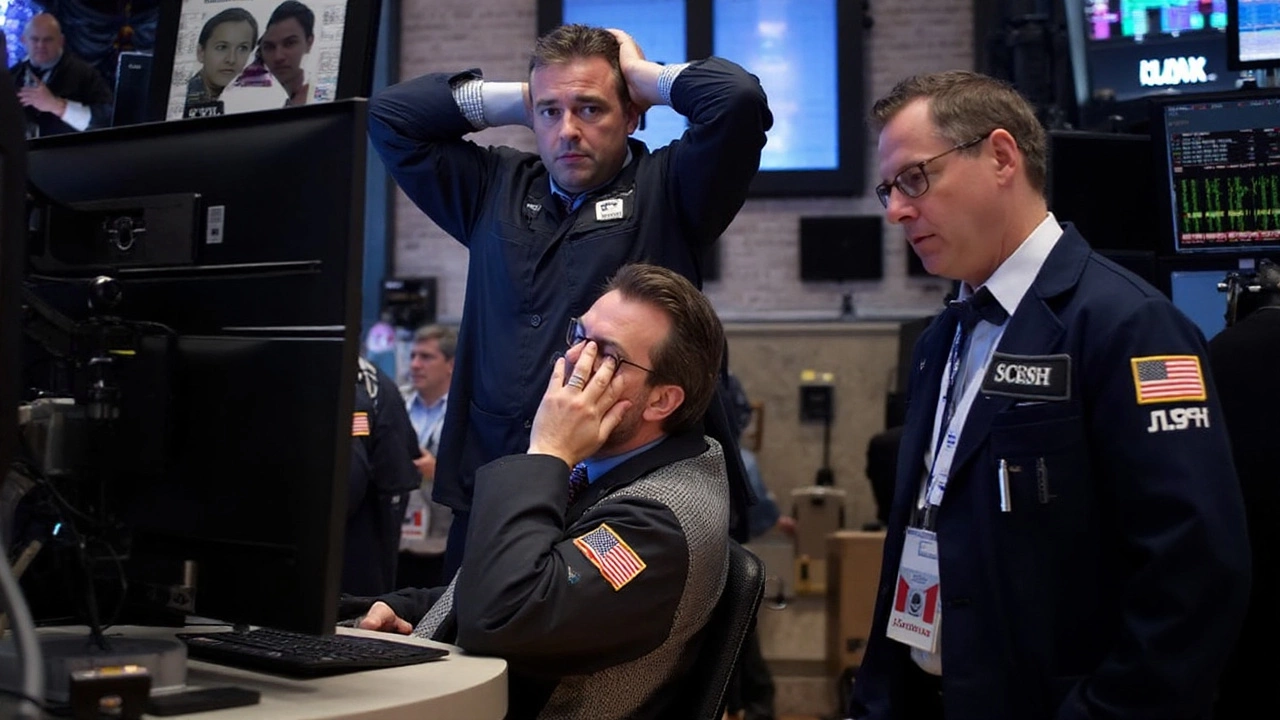
What This Means for Readers and Traders
For the average investor scrolling through a news site, the delay can be frustrating. By the time an article publishes, the market may have already moved, rendering the analysis less actionable. This lag also skews public perception; without immediate numbers, speculation fills the void, sometimes inflating rumors beyond the actual performance.
- Licensing fees: Exchanges like NASDAQ and NYSE charge per‑user rates that can reach thousands of dollars per month.
- Technical latency: Even with a subscription, data must travel through multiple servers, adding seconds that matter in high‑frequency trading.
- Legal restrictions: Some jurisdictions limit how quickly certain data points can be redistributed to protect market integrity.
As a result, many journalists resort to secondary sources—press releases, analyst summaries, or delayed feeds—that are at best a half‑hour old. While these still provide a narrative, they lack the crispness of live quotes and numbers that make breaking‑news stories truly compelling.
In the coming months, industry observers predict a push for more open data standards, driven by fintech startups and regulatory bodies. If successful, it could level the playing field, giving both big and small players a clearer view of market moves as they happen.