When the skies opened over Valencia on October 24, 2024, they didn’t just rain—they drowned. A DANA (Depresión Aislada en Niveles Altos) weather system dumped more than 400 liters of water per square meter in under 48 hours, turning streets into rivers and neighborhoods into islands. By the time the clouds cleared, entire towns were cut off, power grids failed, and emergency crews were stretched beyond breaking point. In the midst of this chaos, Valencia CF and Levante UD did something unexpected: they asked to cancel their football matches. Not for money, not for politics—but because the city was still digging out.
The Request That Made Sense
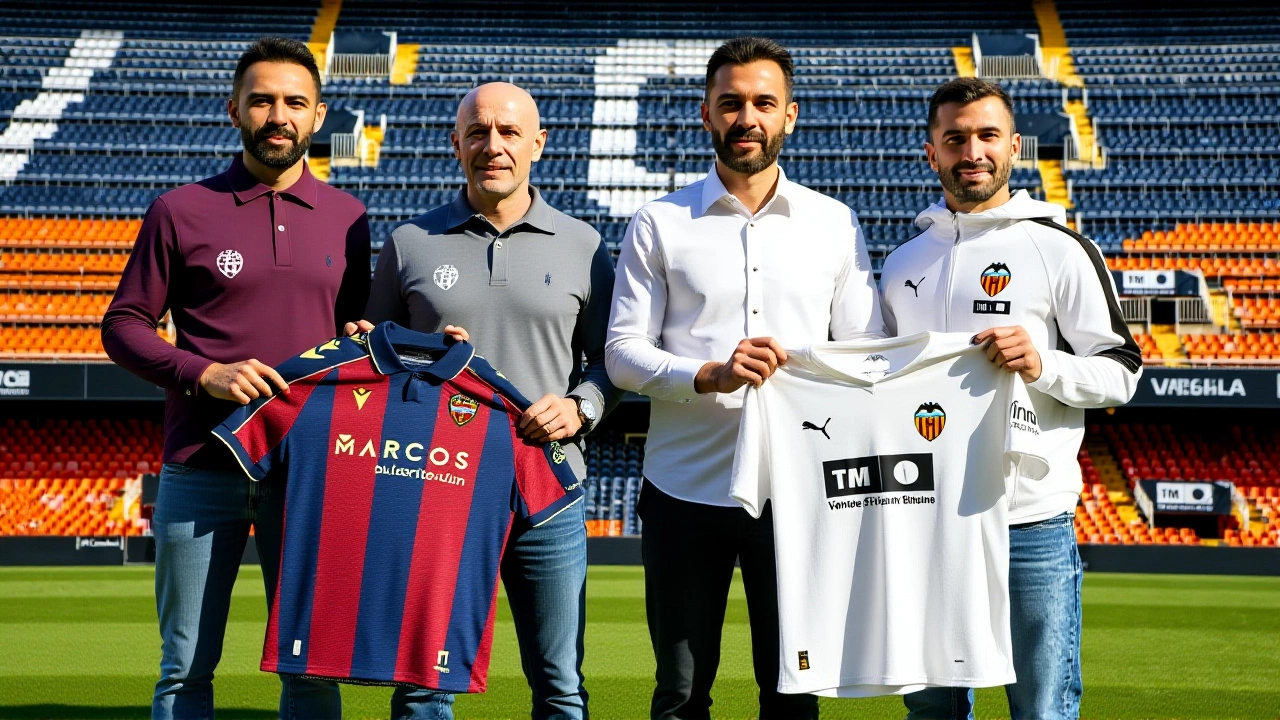
It wasn’t a whim. On Tuesday, October 29, 2024, both clubs formally submitted their request to postpone matches scheduled for the weekend of October 26–27. Valencia CF’s home game against Real Madrid at Mestalla Stadium—a fixture that typically draws 46,302 fans—was on the list. Levante UD’s clash with Málaga CF at Estadi Ciutat de València was too. The timing was brutal. One week after the disaster, roads were still washed out, hospitals were running on generators, and volunteers were hauling sandbags in neighborhoods where the water hadn’t fully receded."Only a week has passed since the DANA weather catastrophe occurred, and the situation remains very serious," Valencia CF’s official statement read. The club didn’t just want a delay—they wanted to make sure their resources, their staff, even their stadium staff, weren’t being pulled away from rescue efforts to manage ticket queues and crowd control. The Royal Spanish Football Federation (RFEF) received the request on Wednesday, October 30. By Thursday, October 31, the LALIGA Competition Judge had approved not just those two, but five matches total across both LALIGA EA SPORTS and LALIGA HYPERMOTION divisions.
The Five Postponed Matches
- Villarreal CF vs Rayo Vallecano (LALIGA EA SPORTS, Matchday 12)
- Valencia CF vs Real Madrid (LALIGA EA SPORTS, Matchday 12)
- CD Castellón vs RC Ferrol (LALIGA HYPERMOTION, Matchday 13)
- CD Eldense vs SD Huesca (LALIGA HYPERMOTION, Matchday 13)
- Levante UD vs Málaga CF (LALIGA HYPERMOTION, Matchday 13)
That’s five games, five stadiums, nearly 100,000 fans potentially displaced. And yet, no one complained. Not the players, not the fans, not even the rival clubs. The decision was met with quiet respect. Even Real Madrid, a team used to playing under global spotlight, didn’t push back. "It’s not about football right now," said one Madrid official off-record. "It’s about people."
Confusion in the Media
Here’s where it got messy. ESPN ran a headline on October 31: "Valencia, Levante games postponed after deadly fire in city." That was wrong. There was no major fire. At least, not one that caused this. The confusion likely stemmed from reports of secondary incidents—electrical fires sparked by flooded substations, or gas leaks ignited by damaged pipelines. But the root cause? Water. Pure, relentless, catastrophic water. OneFootball’s reporting was more accurate, matching Valencia CF’s own statement. The clubs didn’t ask for a postponement because of a fire. They asked because their city was still underwater.And the stakes were higher than just logistics. Valencia CF’s Financial Director, a key figure in the club’s community outreach, is currently undergoing treatment for breast cancer—a personal hardship unfolding alongside the public crisis. The club’s statement didn’t dwell on it, but it underscored the weight they carried. "We’re not just asking for a delay," said a club source. "We’re asking for space—to help, not just to play."
What Happens Next?
LALIGA and the clubs now have until Tuesday, November 5, 2024, at 14:00 CET, to propose new dates. That’s less than a week. The calendar is already packed. November has international breaks. December is Christmas chaos. January? The Copa del Rey kicks off. And February? The Champions League is in full swing. Finding five new windows won’t be easy. One possibility: moving some games to midweek in late January or early February. Another? Playing double-headers on Sundays—something Spanish football rarely does.But here’s the twist: no one’s complaining about the schedule. Not even the broadcasters. Because in a season defined by financial pressures and TV deals, this moment reminded everyone that sport exists within a society—and sometimes, society comes first.
A Legacy of Resilience
This isn’t the first time weather has disrupted Spanish football. In 2021, heavy snow forced the postponement of a match between Real Sociedad and Real Madrid in San Sebastián. In 2018, a storm in Galicia delayed a LALIGA HYPERMOTION fixture. But those were isolated. This? This was regional. Systemic. The Valencia region—spanning the provinces of Valencia, Alicante, and Castellón—was hit like a bomb. Over 100,000 homes lost power. More than 1,200 emergency rescues were carried out in just 72 hours. Three people died. Dozens more are still missing.Valencia CF and Levante UD didn’t just postpone a match. They chose solidarity over spectacle. And in doing so, they set a quiet, powerful precedent: that football, at its best, doesn’t demand attention—it responds to need.
Frequently Asked Questions
Why were five matches postponed instead of just Valencia CF and Levante UD’s games?
The decision wasn’t just about those two clubs—it was about regional infrastructure. Villarreal, Castellón, and Eldense all play within the affected area, and their stadiums, training grounds, and transport routes were similarly compromised. Postponing only two matches would have created logistical chaos for teams traveling through flooded zones. LALIGA acted holistically to ensure safety and fairness across the region.
How will the rescheduling affect the 2024-2025 season calendar?
The congested schedule—already packed with midweek fixtures, international breaks, and Copa del Rey ties—will be stretched thin. Most likely, the postponed matches will be moved to late January or early February, possibly as double-headers on Sundays. Some clubs may face five games in 14 days, increasing injury risks. LALIGA is under pressure to avoid overloading players, but no one wants to cancel games outright.
What role did the Royal Spanish Football Federation (RFEF) play in this decision?
The RFEF acted as the formal receiver of the clubs’ request and coordinated with LALIGA’s Competition Judge, who holds final authority over fixture changes. While LALIGA manages the league operations, the RFEF oversees regulatory compliance under Spanish sports law. Their swift approval—within 24 hours of submission—signaled institutional recognition of the emergency’s severity.
Why did ESPN report a fire as the reason for the postponement?
The fire report appears to be a misinterpretation. While localized electrical fires occurred due to flooded substations and gas leaks, these were secondary effects of the DANA flooding—not the primary cause. Spanish media outlets like OneFootball and Marca correctly cited the weather disaster. ESPN’s error likely stemmed from early, fragmented reports from local sources before the full picture emerged.
How are the clubs helping the affected communities?
Valencia CF and Levante UD have both redirected resources toward relief efforts. The VCF Foundation is distributing food, water, and medical supplies to 17 municipalities. Levante UD opened its training complex as a temporary shelter. Both clubs are coordinating with civil protection agencies and have pledged ongoing support, including volunteer staffing and fundraising campaigns through their official channels.
Could this lead to changes in how Spanish football handles extreme weather?
Absolutely. This event has reignited debate over climate resilience in sports. LALIGA is expected to review its force majeure protocols, possibly introducing regional emergency thresholds—like automatic postponements if rainfall exceeds 300 liters/m² in 72 hours. With climate scientists predicting more frequent DANA events, this isn’t just about one season—it’s about preparing for a new normal.