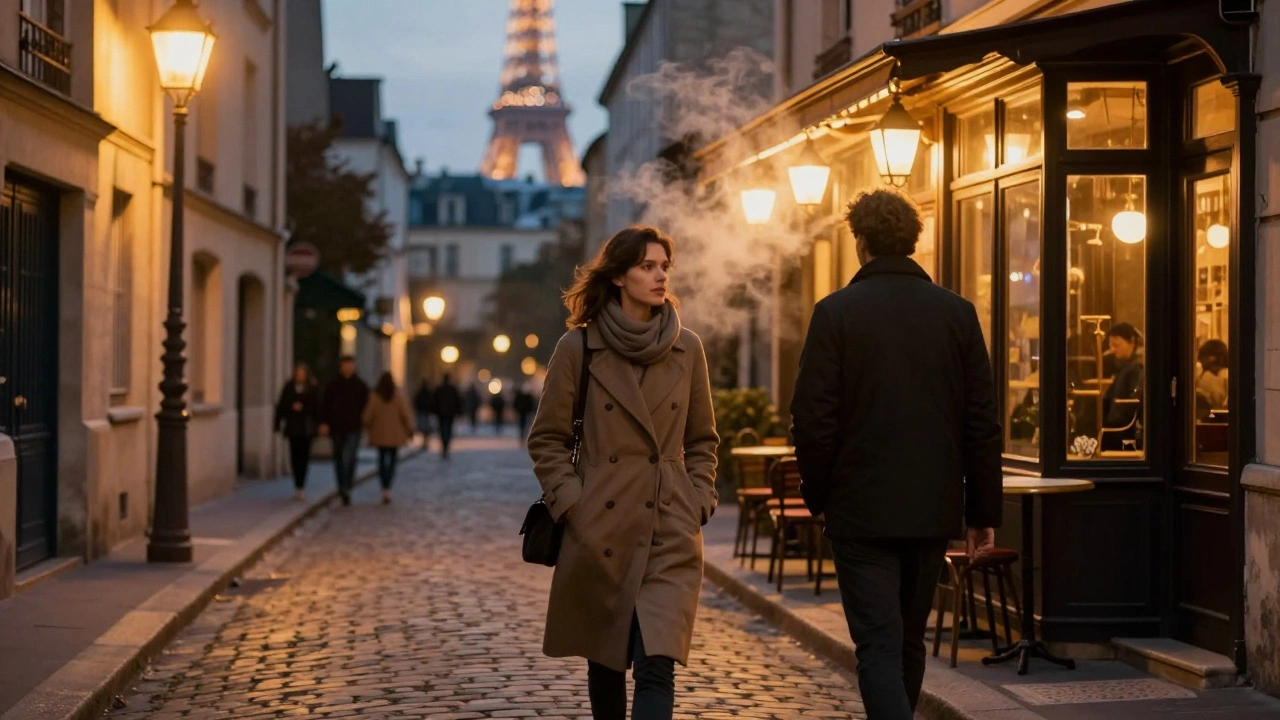
Paris isn’t just about the Eiffel Tower, croissants, and street musicians. Beneath its polished surface lies a quieter, more complex layer of human connection - one that includes people offering companionship for hire. The term escort often carries assumptions, but in Paris, it’s not always about sex. Many clients seek conversation, cultural insight, or simply someone to share a quiet dinner with in Montmartre. For some, an escort is a bridge to understanding the city’s rhythm - someone who knows the best hidden cafés, can explain the history of a neighborhood, or just listens without judgment. If you’re curious about how this side of Paris works, you can learn more about local services at escort parls.
What makes Paris different from other cities is how deeply these interactions are tied to its culture. An esgort girl in Paris might be a former art student who now guides tourists through the Louvre after hours, or a multilingual professional who speaks fluent Russian and Italian and helps business travelers unwind after long meetings. These women aren’t faceless service providers - they’re individuals with stories, skills, and boundaries. Many have degrees, travel experience, and choose this work because it offers flexibility, autonomy, and the chance to meet people from all over the world. They don’t advertise on street corners. They’re often found through trusted networks, vetted platforms, or word-of-mouth referrals.
Why Paris Attracts This Kind of Work
Paris has long been a magnet for artists, writers, and independent thinkers. That same spirit extends to people who work in personal services. Unlike in places where escorting is heavily criminalized or stigmatized, Paris has a more nuanced legal landscape. While prostitution itself is illegal, many aspects of companionship - dinner dates, museum tours, attending events - are not. This gray area allows for a kind of service that blends social interaction with paid time. It’s not a brothel system. It’s more like hiring a highly skilled hostess who also happens to be paid.
The city’s reputation as a romantic and culturally rich destination draws people who want more than a transaction. They want authenticity. An escort giel paris might take you to a jazz bar in Saint-Germain-des-Prés, explain the difference between a baguette and a ficelle, or help you navigate the Metro without feeling lost. For many, the value isn’t physical - it’s emotional, intellectual, or even educational.
Who Are These Women?
There’s no single profile. Some are students supplementing their income. Others are expats who moved to Paris and found this work more stable than waiting tables. A few are former models or actresses who transitioned into companionship after realizing they enjoyed the human connection more than the spotlight. One woman I spoke with - anonymously, of course - used to teach French literature at the Sorbonne. After her contract ended, she started offering guided literary walks through the Latin Quarter. Her clients paid for her knowledge, not her company in bed. She told me, “I don’t sell sex. I sell Paris.”
Most of these women set strict boundaries. They choose who they meet, where they go, and what happens during a date. They don’t work late nights in unfamiliar neighborhoods. They avoid drugs, alcohol, or situations that make them uncomfortable. Many use encrypted apps to screen clients. They carry emergency buttons. They tell friends where they’re going. This isn’t dangerous work because it’s escorting - it’s dangerous because it’s misunderstood.

How It Actually Works
It doesn’t look like movies. There are no dark alleys, no cash exchanges on street corners. Most arrangements are made online, through discreet platforms that prioritize privacy. Clients fill out profiles. Women do the same. Matching happens based on interests - language, hobbies, travel history, even favorite books. A client who wants to learn about French wine might be paired with someone who studied oenology. Someone looking for a French-speaking friend to practice with might be matched with a bilingual student from Senegal.
Meetings usually start with coffee or lunch. If both parties feel comfortable, they might go to a museum, take a boat ride on the Seine, or have dinner at a quiet bistro. Physical intimacy, if it happens at all, is rare and always consensual. Most clients never ask for it. Many say they’re surprised by how normal it feels. One man told me, “I came for a date. I left with a new friend who taught me how to order wine like a local.”
Common Misconceptions
People assume these women are desperate, trafficked, or exploited. That happens sometimes - but it’s not the norm in Paris. The majority are adults making informed choices. They’re not running from abuse. They’re not being forced. They’re often highly educated, financially literate, and in control of their schedules. They pay taxes. They have bank accounts. Some even own apartments.
Another myth is that this is only for rich men. That’s not true. Clients include single women traveling alone, older couples seeking companionship, LGBTQ+ individuals who feel isolated, and even families who want a local guide for their teenage kids. The service isn’t gender-specific. It’s human.
There’s also the idea that this is “dirty” or “shameful.” But in a city where art, fashion, and personal expression are celebrated, why should companionship be any different? Parisians have always valued beauty, intelligence, and authenticity. If someone pays for that - whether it’s a painting, a perfume, or a night out - why is one more moral than the other?

What You Should Know Before Trying It
If you’re considering this, here’s what matters:
- Respect is non-negotiable. Treat them like a person, not a service. Don’t ask personal questions. Don’t pressure them. Don’t assume anything.
- Clarity is key. Be honest about what you want - whether it’s conversation, a walk, or just someone to sit with. Don’t hide behind euphemisms.
- Use trusted platforms. Avoid random ads or social media. Stick to services with reviews, verification, and clear policies.
- Know the law. Paying for sex is illegal in France. Paying for time, company, or expertise is not. The line matters.
- Leave your stereotypes at the door. These women aren’t stereotypes. They’re individuals with lives, dreams, and boundaries.
The Bigger Picture
This isn’t just about sex work. It’s about loneliness in modern cities. It’s about how we connect - or fail to - in a world that’s more connected than ever. Paris, like London, Tokyo, or New York, has people who are isolated, even in crowds. Some turn to paid companionship because they can’t find real connection elsewhere. Others offer it because they’re good listeners, and they’ve learned that human attention is a rare and valuable thing.
Maybe that’s the real reflection of Paris: not its architecture, not its fashion, but its quiet humanity. The woman who remembers your name. The one who tells you where to find the best croissant in the 14th arrondissement. The one who lets you be yourself, without judgment, for a few hours.
It’s not glamorous. It’s not scandalous. It’s just another way people find meaning in a city that never sleeps - and never stops surprising those who take the time to look closer.